Builder and teacher. Bend, OR. San Francisco from December.

I build the one thing a person actually needs. Sometimes that is software. Sometimes it is the research behind a decision.
I build it, then I teach you to run it, so it stays yours. I taught middle school English for seven years, and the teaching is the half I am best at.
That might be a tool built for you, the research for a case you have to make, Claude set up around how you work, or an hour building something together.
For one person
The thing someone keeps wishing existed.
I wanted something that reads my own notes back to me. Other people wanted one straight answer about their money, a room to practice guitar in, and a way into opera.
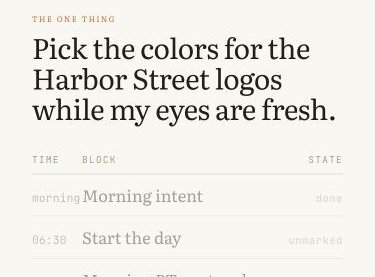
The coach.
The ideaI wanted something that reads my own notes back to me and tells me what I keep avoiding. Not a task list. A second opinion with the receipts.
ApproachIt reads the day, asks four questions in the morning and four at night, and keeps the record. Then it says the uncomfortable thing. This block has slipped four times, and here is the pattern underneath it.
ResultI have run my own days on it since May. It is the piece of software I use the most.
About the demoThe version here belongs to an invented person, Dana Ruiz, who runs a two-person design studio. Her week, her figures and the coach's replies are all written for the demo. Mine has my actual life in it and stays behind a login.
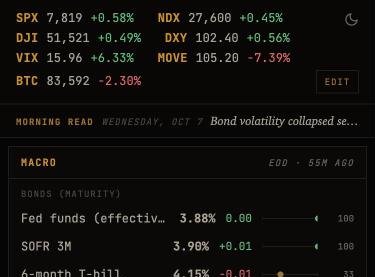
The Desk.
ProblemHe was paying for an expensive market terminal and fighting a handful of AI chatbots, and still could not get a clean answer about his own holdings.
ApproachI built one box that reads his actual accounts and holdings, no manual entry.
ResultOne sourced answer back, not five tabs open.
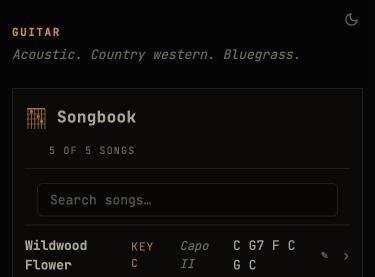
The guitar room.
ProblemThree tabs open just to practice one song: a chord chart, a tab site, a metronome, and none of them knew what he was working on.
ApproachI built one room instead, tuned to how he actually practices.
ResultChord shapes, picking patterns, a player that transposes on the fly, all in one place.
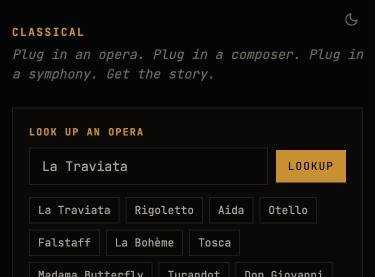
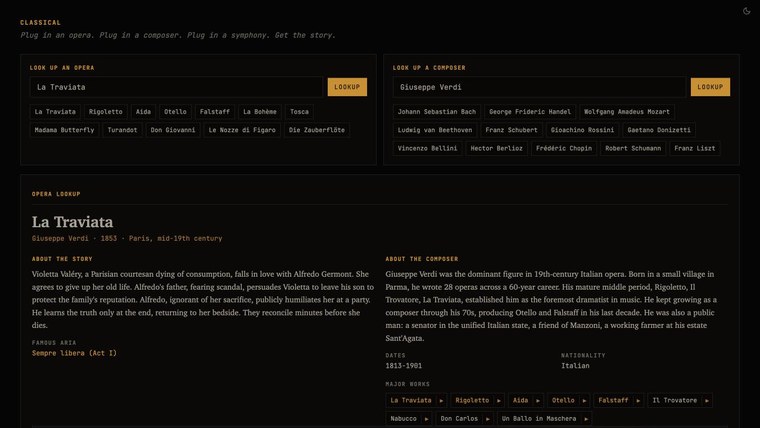
The opera library.
ProblemHe wanted to actually learn opera, not just listen to it, and every source he found assumed he already had.
ApproachI built a single-purpose research surface instead of pointing him at another database.
ResultComposers, eras, voice types, libretti, organized for someone starting from zero.
Neither of these existed because the market for each one is a single person. Each took days, not months.
Have a thing you keep wishing existed? Book a call
Not always software
Sometimes it is an argument, or a story.

The briefing packet.
ProblemHe was making the case for a major California infrastructure program, and the argument was not ready for a hostile committee.
ApproachI turned a stack of white papers into a sourced, modeled, committee-ready packet. I did not know more about energy than he did. I knew where a skeptic pushes and what a claim needs to survive.
ResultHe read it, cancelled the meeting he had booked, and rebuilt his approach.
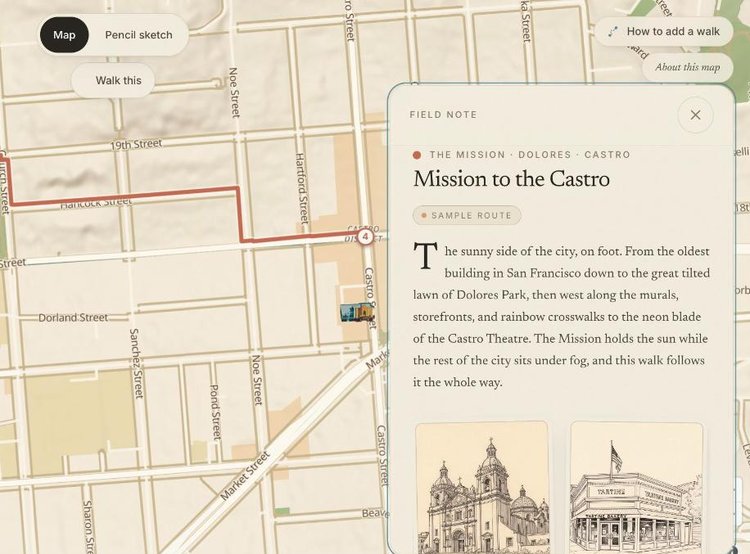
Wally Walks.
The ideaWally has walked San Francisco since 1967 and has a story for every corner. He wanted a way to keep them, so he could walk the city with his family and have a record of it.
ApproachA hand-drawn map of the city with his walks on it and a pencil sketch at every stop. On a walk, Wally tells you where to turn and reads you the story of each stop in his own voice.
ResultIt started as a birthday present and turned into wallywalks.app. You can build your own walks too, and a photo you add to a stop gets drawn in pencil like everything else.
Have a case to make, or a story worth keeping? Book a call
My own question
And sometimes the question is mine.
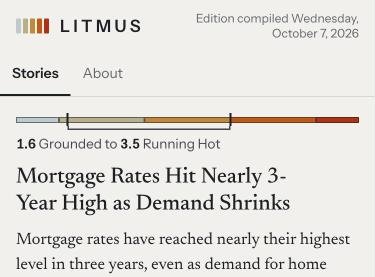
LITMUS.
The ideaThe news hands you the opinion and the information in the same sentence. I spent years teaching kids to read closely, and the left and right labels kept doing more to sort us than to inform us.
ApproachIt reads the coverage, groups the articles by story, and scores the language of each one from proportionate to hyperbolic. Then it puts every outlet on one chart, lean one way and heat the other.
ResultA front page where the same story sits side by side across outlets, so you can see who runs hot.
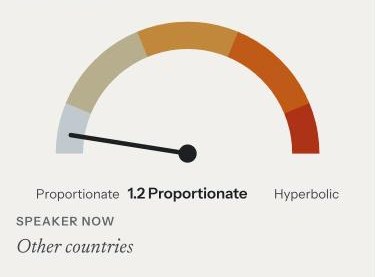
LITMUS Live.
The ideaLITMUS reads articles. I wanted the same read on live speech, while the speaker is still talking.
ApproachIt listens to a browser tab or a microphone and scores each sentence the moment the speaker finishes.
ResultHere it replays the first question of both 2024 presidential debates, every answer read sentence by sentence. An automated reading of each excerpt, not a verdict on anyone.
Have a question you cannot let go of? Book a call
Inside a chat
And some of it opens inside Claude.
These are small apps that live in a conversation. You add one address to Claude, and the app shows up as a card when you ask for it. The one here runs on an invented class.
They come from my classroom, where a student can be read along four lines. Behavior is whether they do what was asked. Academics is the grade. Agency is whether they are choosing their own learning. Literacy is how well they read. A school already keeps the first two.
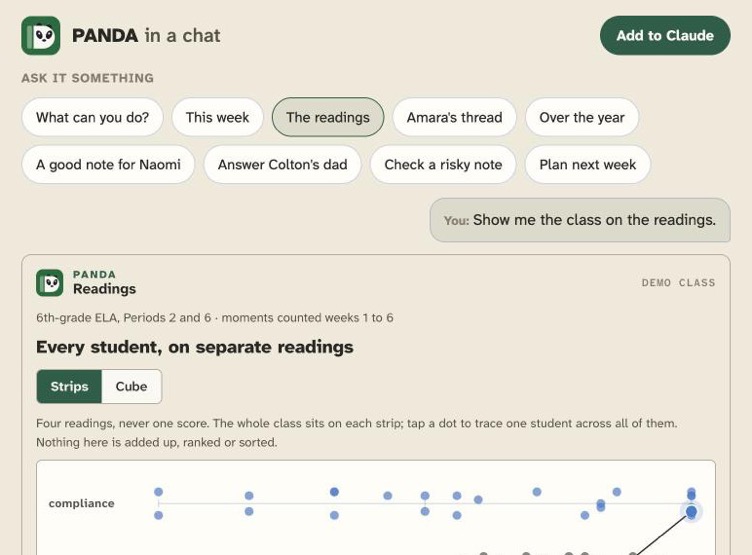
All four lines
PANDA.
What it doesA teacher logs small moments during the week. PANDA shows each student on four separate readings, then drafts the note home and checks it. Agency is the reading a school misses.
How it worksEvery observation points back to the logged line it came from. It never ranks a student, adds the readings into one score or calls anyone at risk. The teacher sends the note. The app never does.
Three more open the same way. Reading Match and ELA Skill Drill follow the literacy line, and Wally Walks in chat leaves the classroom. All three are on the demos page.
Then I teach you to run it
The building is half of it.
The other half is teaching. I do it with you, not for you, and you leave able to run it yourself.
Your own setup
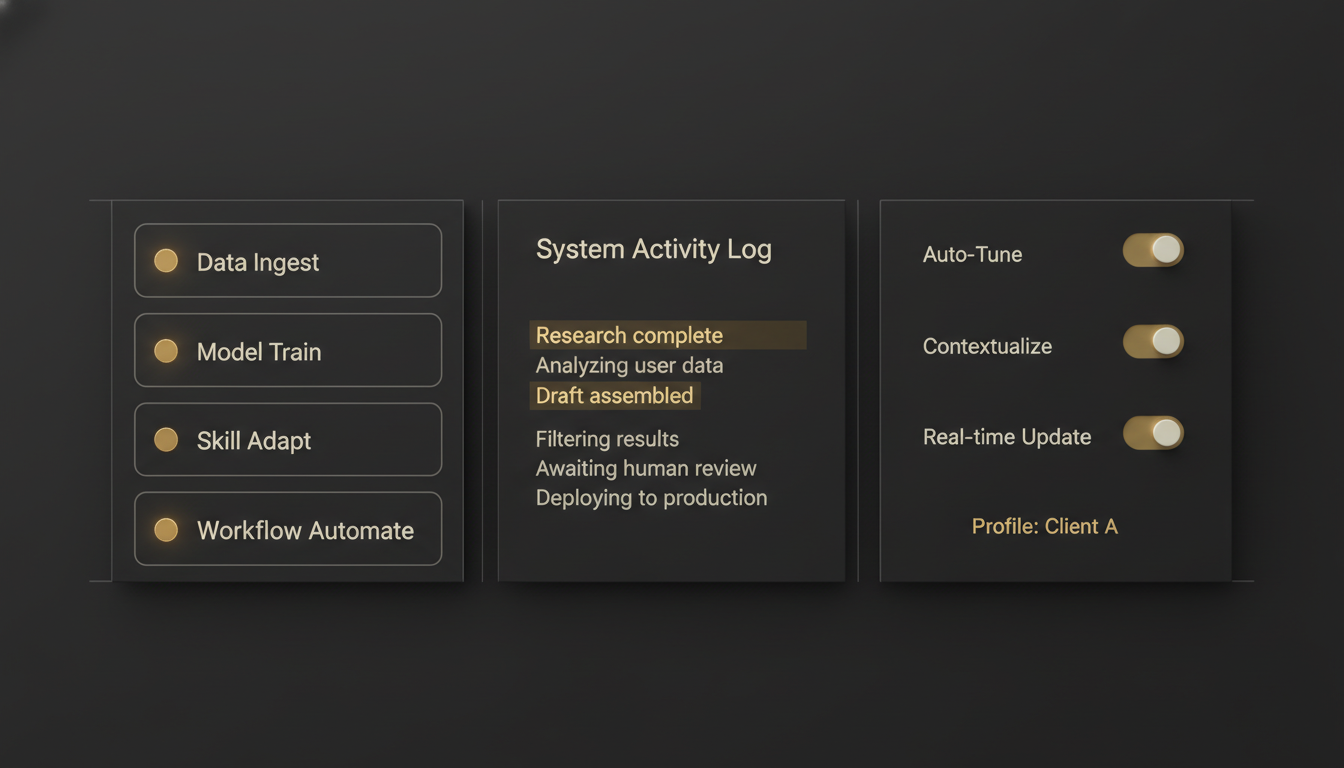
Claude and Cowork set up around how you work, with a second brain underneath that remembers what you have decided.
Learning, built for the learner
A tool built around how one person learns one thing, like the opera library. A course made from what you know. A prototype for a company building for students and teachers, from someone who can tell you whether a teacher will use it.
The easiest way to start is an hour. Bring what you are working on, and we build or fix one thing together.
Book a callOther things people ask for

1 / 2
About
Who you would be working with.
I booked live music at a speakeasy in Boulder, taught six subjects across K–12 in Kampala, led a district-wide ELA standards rewrite in Eugene, and now build things for people, small teams, and schools, and teach them to run what I build.
There is a throughline. The same instinct ran a 50-seat music venue, taught six subjects in a Kampala classroom, and now shapes the builds. Pay attention to the one person in front of you, then make a hard thing clear to them. Teaching is where that became a profession, and it is why I can build you a system and actually get you running it.
Talk soon
Have something you keep wishing existed?
Book a 30-minute call. The first conversation is free. You will leave knowing whether the thing you want is worth building and roughly what it would take.
Book a call